 EN
EN  TH
TH 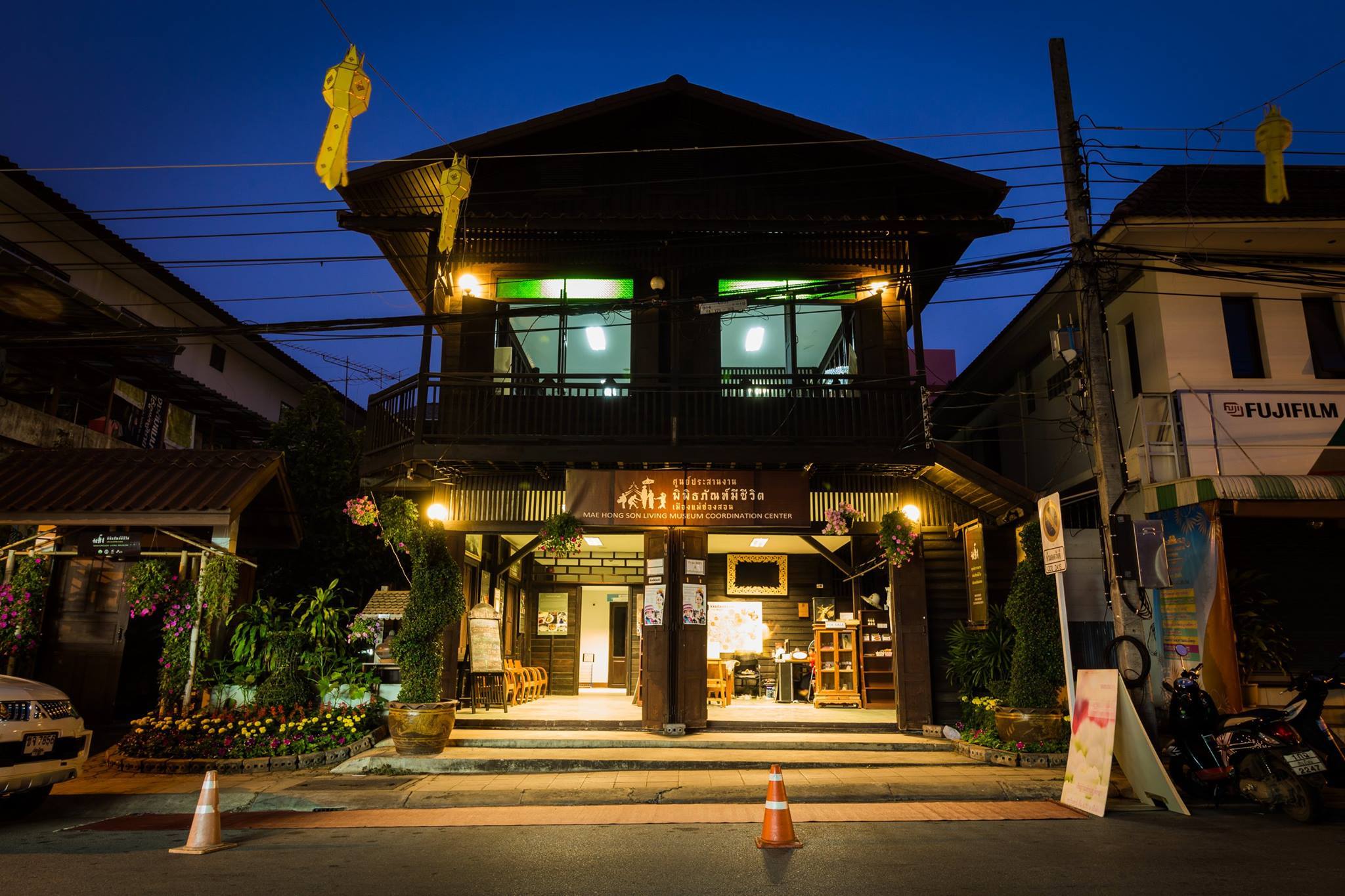
The Prologue of a Living City
In mid-September 1979, many had the opportunity to attend the Upper Northern Local Museum Fair held in Chiang Mai. This event was a collaborative effort between various government agencies, both from the central administration and within Chiang Mai province. Over 60 museums participated, showcasing an extensive range of exhibits, allowing visitors to experience a comprehensive 'whistle-stop tour' of Northern Thai museums all in one location.
In addition to the artifacts, the fair featured traditional Northern Thai performing arts and music. These exhibits were designed to be portable—capable of being relocated and displayed at any time or place, much like conventional museum collections. The event also showcased various folk music and local performances typically seen during seasonal festivals. A crucial element of these presentations was the curation and systematic arrangement of both objects and performances to communicate with a large audience within a new context—one that differed from their original setting or existed within a carefully reconstructed environment.
However, imagine how much more profound it would be to encounter these exhibits in their original settings—the very places where they once thrived. Observing artifacts in a museum is, in many ways, no different from watching elephants, horses, or giraffes in a zoo; it cannot compare to seeing them in the wild. Similarly, viewing marine life through a glass tank is incomparable to the experience of diving deep into the ocean to witness them in their natural habitat.
It goes without saying that most would prefer the latter, driven by a desire to witness these elements in their authentic state, remaining in the very locations where they originated. This sentiment aligns perfectly with contemporary urban development and revitalization concepts, particularly for cities that still possess a wealth of artistic, architectural, and cultural heritage. Rather than isolating these treasures within the 'frozen' confines of a municipal or community museum, the focus shifts toward transforming the entire city—where daily life continues to unfold amidst its scattered cultural assets—into a museum in its own right. It is as if we are stepping into a curated museum world, yet one that requires no simulation; it is the natural rhythm of a city charming enough to define its entire territory as a museum." "Regrettably, while Chiang Mai possesses these unique qualities, they often appear only sporadically or within confined pockets of the city, such as the Wat Gate or Wualai neighborhoods. When viewed against the scale of the entire metropolitan area, Chiang Mai’s identity as a 'Living Museum' remains tragically faint in the overall picture.
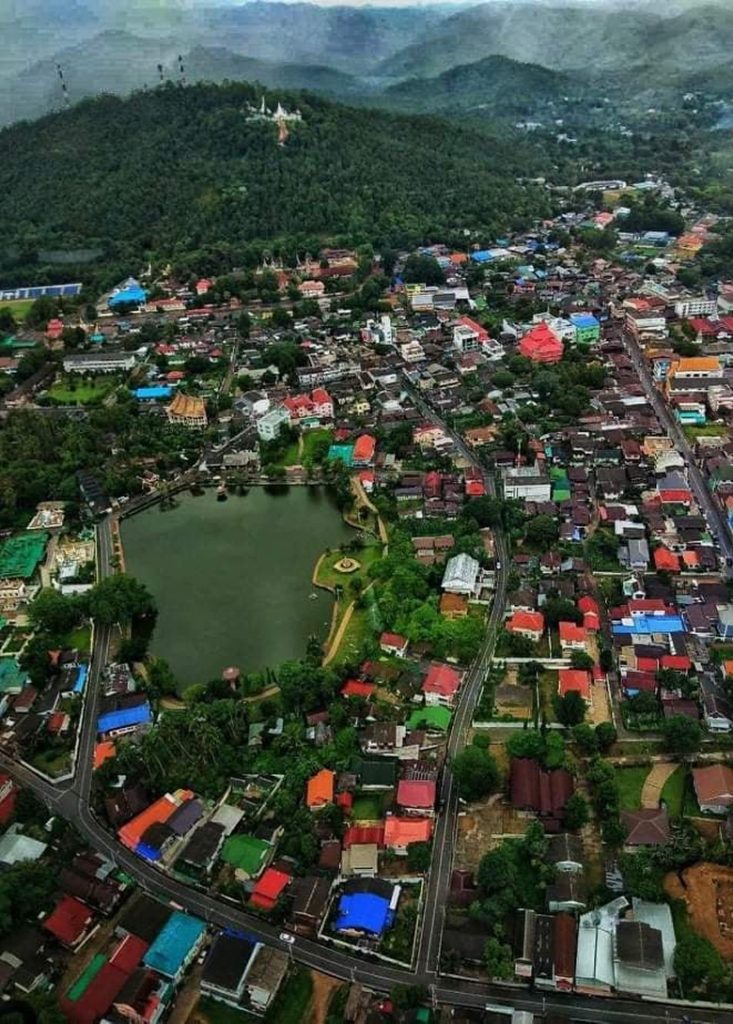
It’s alright... though we may have lost hope for a metropolis like Chiang Mai, there remains a compact city, nestled within the embrace of the mountains.
A city embraced by a profoundly unique culture, Mae Hong Son is systematically driving itself toward becoming a 'Living Museum.' It is a place where every corner invites exploration at any time, far beyond the cool breeze of the winter months. One need not wait for the Poi Sang Long tradition in the spring or the blooming of the Mexican Sunflowers in November. This city offers its 'exhibits' to visitors 365 days a year
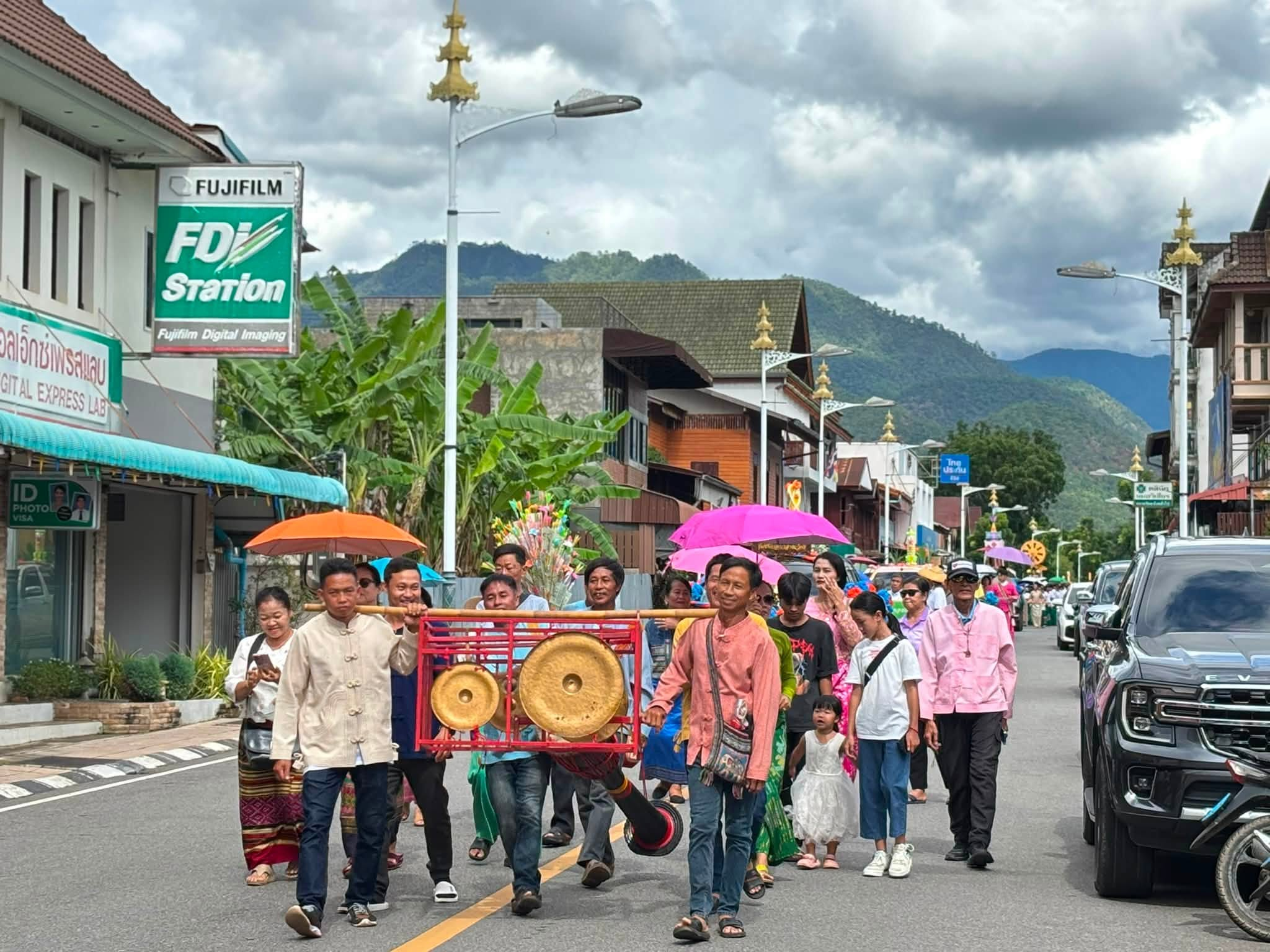
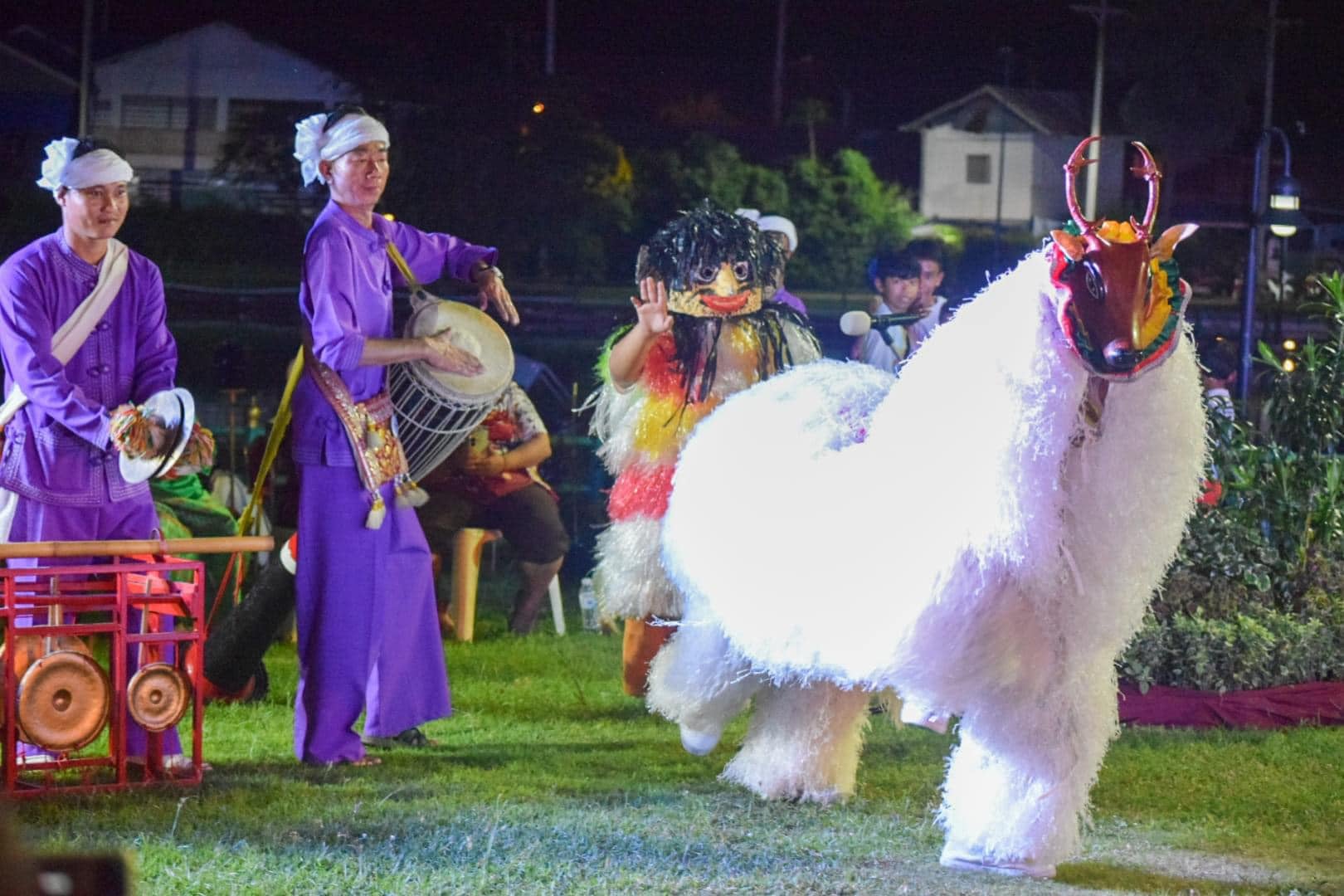
The 'exhibits' mentioned are simply the everyday lives of the people here—the natural rhythm and traditions that have existed in this space since time immemorial. Therefore, there is no need for grand preparations or staged performances; simply living their daily lives is more than enough to keep this museum alive.
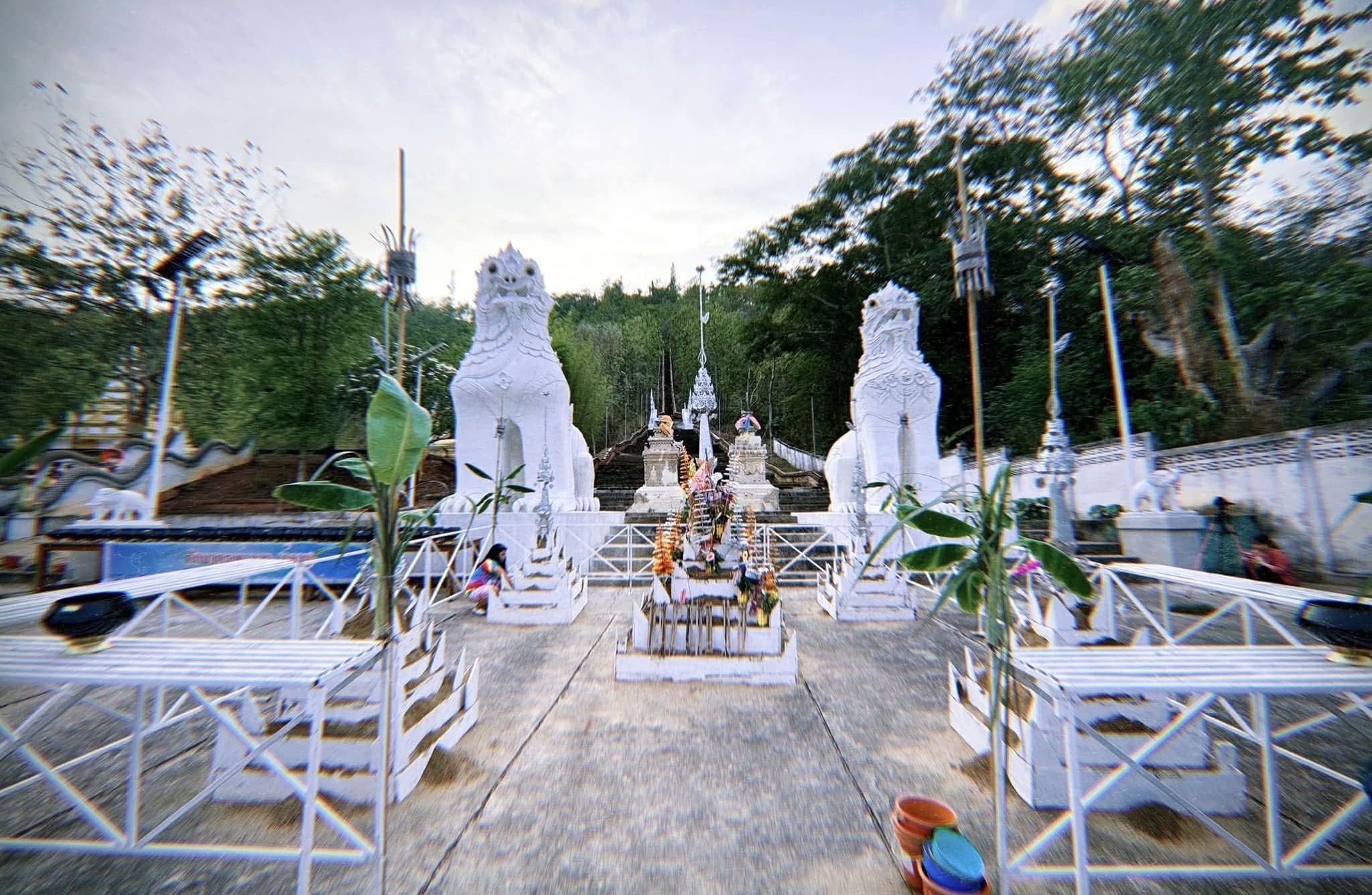
From culinary traditions and attire to language, folklore, and sacred rituals, these cultural expressions continue to thrive with refined authenticity and systematic care. By preserving and restoring our unique landmarks and artifacts to their original splendor—ensuring any modern enhancements remain in harmony with our traditional environment—the entire city of Mae Hong Son seamlessly becomes a complete museum in its own right.
While it may seem simple—that any city with sufficient tangible and intangible resources could become a 'Living Museum'—the reality in Thailand proves otherwise. We must remember that managing living, breathing communities is far more complex than preserving inanimate objects. Motivating or mandating people to maintain their daily routines while preserving their unique identity—such as wearing traditional attire, eating local food, or speaking their native dialect—is a matter of individual consciousness and voluntary participation rather than coercion." "The same applies to heritage homes and ancient temples, which vary in ownership and the value placed upon them by their owners and the community. Cultivating a shared sense of importance for these assets, regardless of who owns them or their ethnic, religious, or political affiliations, requires time, effort, and deep understanding. Furthermore, it demands a management approach that promotes the 'Living Museum' as a self-sustaining entity—one that maintains a delicate balance without over-embellishing or 'manufacturing' resources for the sake of tourism. We must avoid turning our heritage into a mere performance or an artificial spectacle for visitors, as seen in many other tourist-centric towns.
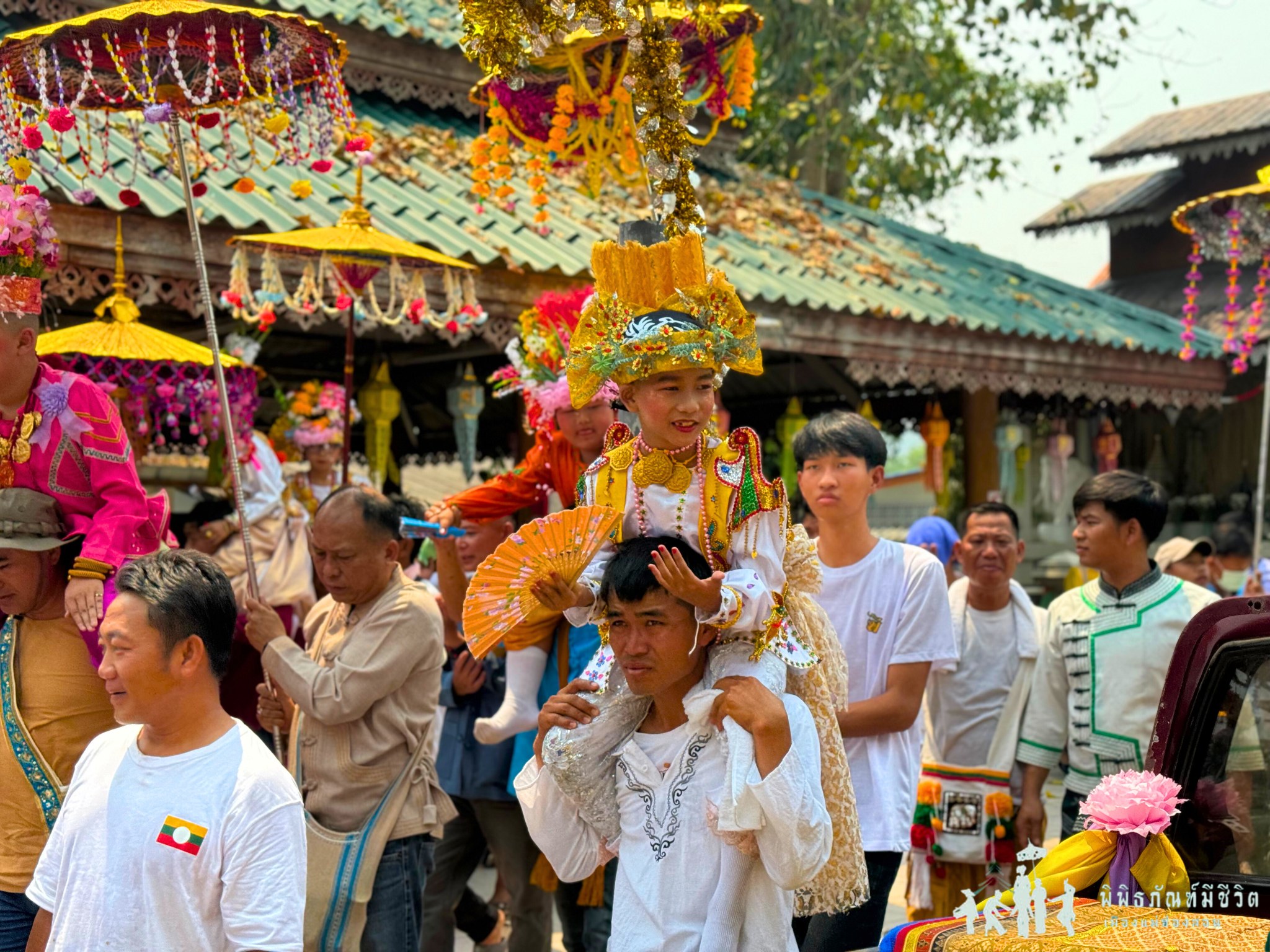
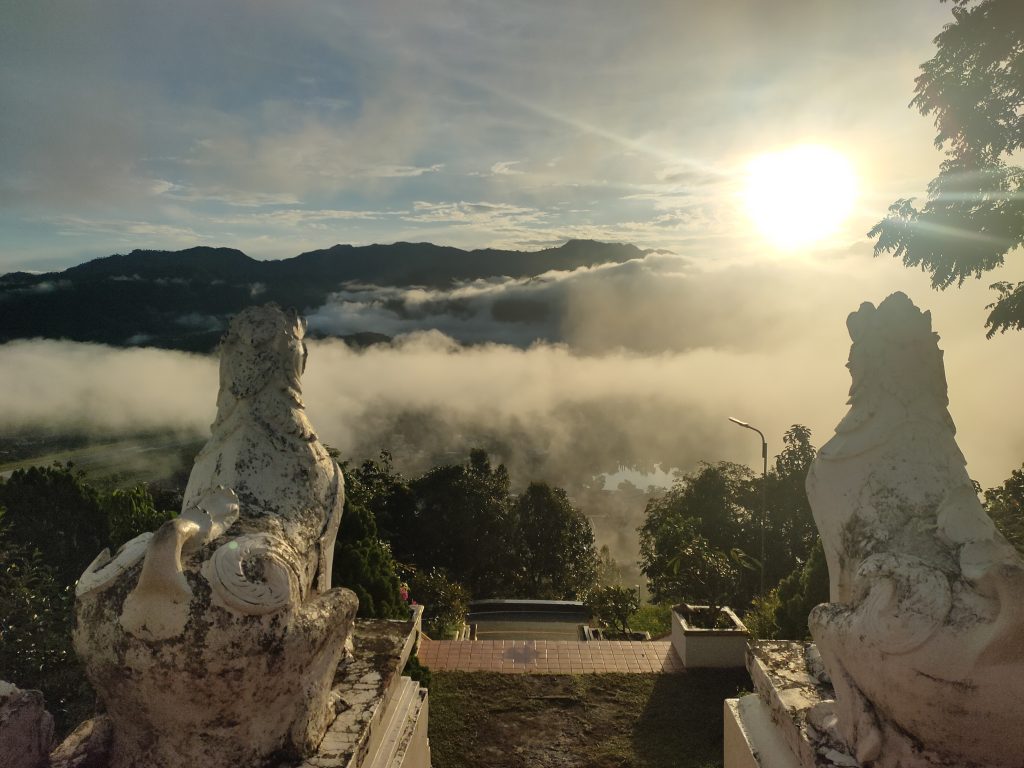
Mae Hong Son represents the first serious endeavor in Northern Thailand to promote an entire city as a 'Living Museum.' This initiative is a collaborative effort involving various organizations, including the Mae Hong Son Province, Mae Hong Son Municipality, the Thailand Research Fund (TRF), Chiang Mai University, and the local citizens. The core focus is to encourage everyone to participate by simply leading their daily lives—for it is precisely this authentic way of life that this living museum is showcasing.
Mae Hong Son is profoundly fortunate to possess such a rich cultural capital. Its encircling mountain ranges act as a natural barrier, slowing the influx of outside influences compared to other regions. As a result, the traditional ways of life and ancestral artistic resources remain remarkably well-preserved and abundant.
Notably, Mae Hong Son has been less impacted by the pressures of mass tourism compared to other major destinations, making the vision of a 'Living Museum' highly achievable. A key factor in this success is the 'Saphan Nam Miang' (The Tea-Leaf Council), a consultative assembly of city elders who have resided here for generations and witnessed the city's various transformations. This council works in close partnership with government agencies, providing essential guidance and wisdom to ensure the city's development remains on the right path.
In addition to the efforts within Mae Hong Son city, other locales such as Khun Yuam have also begun their own movements. The people there are increasingly driven to mobilize, following a similar path of cultural preservation and community-led development.
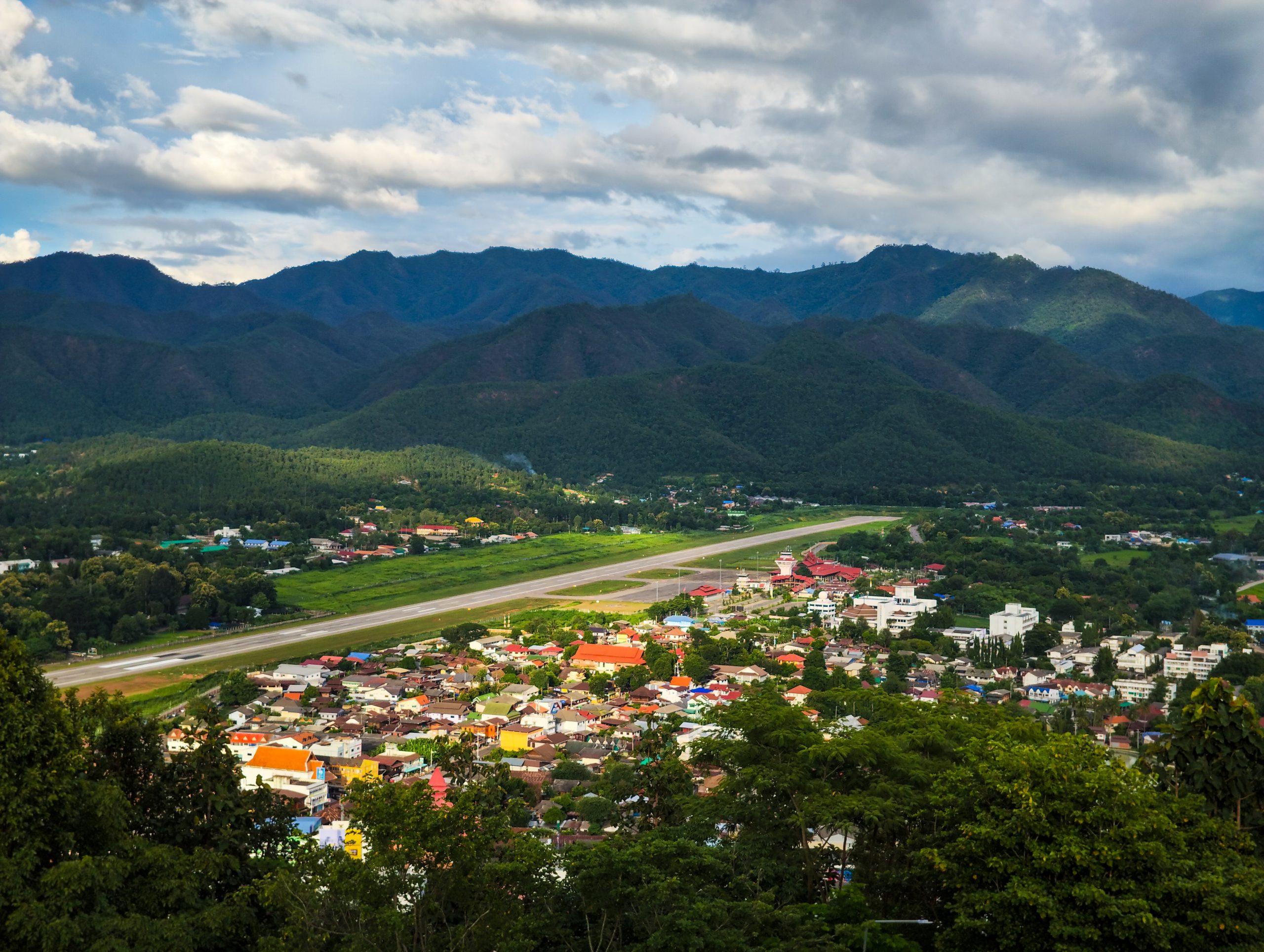
A similar urban development approach is being adopted in Khun Yuam, with an initial focus on enhancing the urban landscape. Although the town is centered around a single primary national highway, its roadsides are rich with artistic, architectural, and natural assets. These cultural resources are scattered along the undulating hilly terrain, providing a solid foundation to cultivate a distinctive and cohesive city landscape.
Numerous historic cities across Asia have successfully maintained their status as 'Living Museums' by implementing systematic cultural resource management that effectively caters to tourism. With the same dedication, it is believed that Mae Hong Son will soon join their ranks as a premier example of a living, breathing heritage city.
And when that day comes, the idea of visiting Mae Hong Son only during the winter will be a thing of the past.